

In an evolving health landscape, emerging research continues to highlight concerns that could impact everyday wellbeing. Here’s the key update you should know about:
New research uncovers how chitin-rich insect flours can fuel beneficial gut bacteria, offering a sustainable approach to modern nutrition. That is, if scientists can overcome the barriers of allergen safety and consumer trust standing in the way.
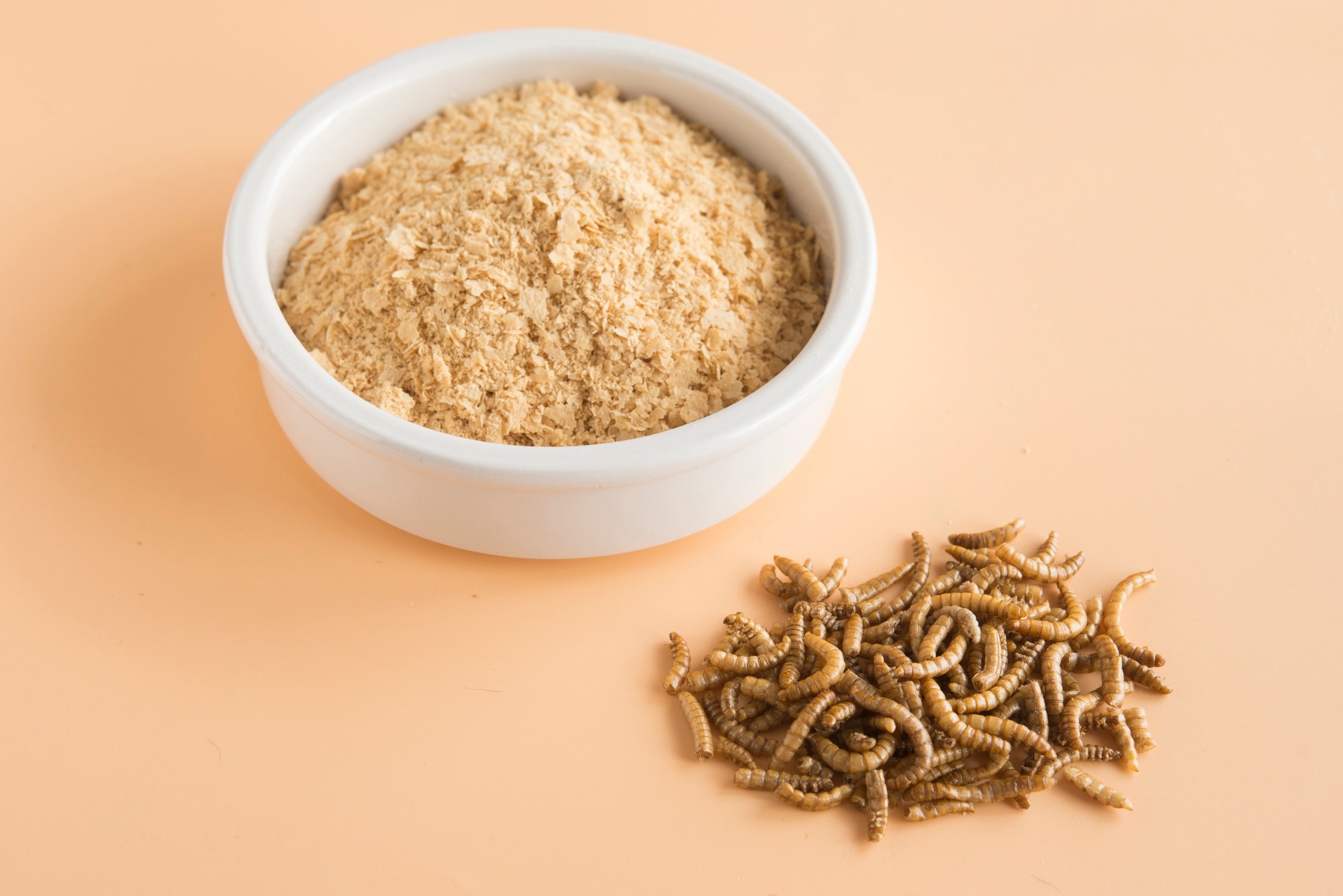
Study: Exploring the prebiotic activity of edible insect flour: a sustainable functional food ingredient. Image credit: Dalaifood/Shutterstock.com
In a recent perspective published in Frontiers in Industrial Microbiology, a group of authors synthesized current evidence on the nutritional, prebiotic, regulatory, and consumer acceptance dimensions of edible insect flour and outlined priorities for future research.
Insect flours emerge as nutrient-rich, sustainable food sources
By 2030, global demand for insect protein may increase substantially, from ~120,000 tonnes to ~500,000, reflecting urgent need for affordable, low-impact nutrition.
Edible insect flours from the house cricket (Acheta domesticus) and the mealworm (Tenebrio molitor) offer high-quality protein, essential fatty acids, vitamins, and minerals, with a generally smaller environmental footprint. At the same time, chitin-based fractions may show potential to act as prebiotics that support beneficial bacteria.
Yet allergenicity, optimal processing, labeling, and public acceptance remain barriers, especially in Western markets. Further research is needed to validate the in vitro and in vivo prebiotic effects and guide the development of safe and acceptable products.
Edible insect flour at a glance
Edible insect flour is emerging as part of a broader push by the Food and Agriculture Organization (FAO) to scale insect farming for food security, affordability, and sustainability. Entomophagy is well-established across Asia, South America, and sub-Saharan Africa, and economic analyses forecast rapid sector growth through 2030, driven by expanding production capacity and declining costs. These trajectories hinge on supportive regulations and clear labeling.
Regulatory momentum is growing. The European Food Safety Authority (EFSA) and subsequent European Commission acts have authorized specific species and formats (examples: Tenebrio molitor larvae dried; Locusta migratoria frozen/dried/powdered; Acheta domesticus frozen/dried/powdered; Alphitobius diaperinus larvae in multiple forms).
Italy’s 2023 decrees require prominent labels, disclosure of form and origin, quantitative limits, and allergen warnings, with insect-containing items merchandised on dedicated shelves. Such measures balance safety and transparency as markets evolve.
Nutritional value and health potential
Insects provide, on average, ~ 40% protein (range 20 to 70 % by species), with essential amino acids meeting World Health Organization (WHO) guidelines and digestibility of ~76 to 96 %. They also supply saturated, monounsaturated, and polyunsaturated fatty acids, as well as fat-soluble and water-soluble vitamins, and minerals such as iron, zinc, iodine, and calcium.
Reported functional effects include antioxidant and anti-inflammatory activities, glycemic and lipid regulation, immune modulation, and cardiovascular protection. If confirmed in diverse populations, these benefits could complement modern dietary patterns.
From chitin to prebiotic action: mechanisms and candidates
The International Scientific Association for Probiotics and Prebiotics defines a prebiotic as a substrate selectively used by host microorganisms, offering a health benefit. While classic prebiotics are carbohydrate-based, for example, fructo-oligosaccharides (FOS), galacto-oligosaccharides (GOS), and trans-galacto-oligosaccharides (TOS). The updated scope includes other molecules with convincing microbiota-mediated evidence.
In insects, chitin, a beta-(1,4)-linked N-acetyl-glucosamine polymer in the exoskeleton, and its derivative chitosan are leading candidates. Beyond potential cardiometabolic benefits, they may shape microbial communities. However, they can also bind immunoglobulin E (IgE), raising concerns about allergenicity that must be addressed through processing.
What the evidence shows so far
In vitro digestion–fermentation studies show that chitin from crickets and silkworms can boost beneficial gut microbes like Faecalibacterium and Roseburia, key butyrate producers – without lowering short-chain fatty acid (SCFA) levels. Other research finds that cricket-derived chitosan can selectively support Lactobacillus fermentum, Lactobacillus acidophilus, and Bifidobacterium adolescentis while suppressing pathogens such as Salmonella and Shigella.
Mealworm flour supports Lactobacillus/Bifidobacterium growth and SCFA production under nutrient stress; mealworm chitosan oligosaccharides (MCOS) appear dose-responsive and favor taxa like Akkermansia and Turicibacter.
Animal studies complement these findings. In BALB/c mice, the consumption of fermented mealworms and mealworm exuviae increased intestinal lactic acid bacteria (families Bifidobacteriaceae and Lactobacillaceae) over eight weeks without affecting weight or intake, supporting a prebiotic signal worth translating into human trials.
Safety, allergenicity, and processing
Chitin and insect proteins can present allergenic risks due to IgE binding. Tropomyosin, a major allergen, is notably heat-stable. Many standard processing methods have a limited impact on allergen reduction; however, lactic fermentation using lactic acid bacteria (LAB) may degrade proteins and reduce IgE epitopes.
Chitosan’s antimicrobial effects, such as membrane disruption, deoxyribonucleic acid (DNA) binding, and metal-ion chelation, help restrain pathogens. However, high chitosan concentrations may also suppress probiotic growth, underscoring the need for careful dose-formulation work.
Consumer acceptance and communication
Disgust, food neophobia, and safety concerns hinder the uptake of insect-based products in many Western settings, even as companies integrate insect flour into familiar formats (such as biscuits, bars, and pasta) to mask their appearance and improve their fit with local culture.
Bibliometric trends show rising research attention since 2021, and since 2022, “food safety” has become a focal theme. Clear labeling, transparent risk communication, guided tasting, and education can help narrow the intention-behavior gap, particularly when messages highlight gut health and emerging prebiotic benefits alongside environmental benefits.
Ongoing initiatives and research gaps
Within Italy’s National Recovery and Resilience Plan (NRRP), the Technologies for Climate Change Adaptation and Quality of Life Improvement (TECH4YOU) program has begun investigating the use of Acheta domesticus flour in in vitro models and well-characterized probiotic strains (for example, Lactobacillus and Bifidobacterium spp.).
Early results align with existing literature and suggest that chitin/chitosan is a key bioactive. Priorities now include human intervention trials, optimized processing to reduce allergens, dose-response mapping for prebiotic efficacy, and co-formulation with selected probiotics to enhance colonization resistance and metabolic benefits.
Safety, dosing, and trust will shape future adoption
Edible insect flour offers a rare combination of sustainability, dense nutrition, and credible prebiotic potential. Evidence from in vitro and animal models indicates that chitin-derived fractions can enrich beneficial taxa and support SCFA dynamics, while processed flours can sustain Lactobacillus and Bifidobacterium.
However, allergenicity, dose optimization, and consumer trust remain decisive. Rigorous human trials, standardized processing (including lactic fermentation), and transparent labeling will determine clinical relevance and market success. If these gaps are addressed, insect flours could transition from niche ingredients to mainstream functional foods, supporting planetary health and everyday gut well-being.
